Ink, Index, Insight: Crafting a Lasting Analog Zettelkasten
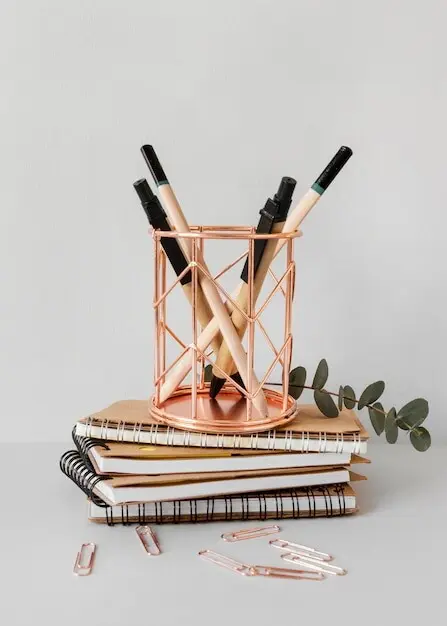
Today we dive into Analog Zettelkasten: Handwritten Knowledge Management for Deep Work, exploring how deliberate pen strokes, small paper cards, and humble boxes cultivate clarity, reduce noise, and transform scattered observations into ideas that compound, connect, and ultimately support ambitious, distraction-free creation across months and years.

Why Paper Powers Focus

The Cognitive Edge of Handwriting

Studies consistently show that handwriting improves comprehension and recall because it demands selection, synthesis, and meaningful encoding. Writing a concise card forces you to choose essentials and build relationships between fragments. Instead of transcribing everything, you ask, summarize, and connect. This simple constraint deepens understanding, and when revisited later, your words feel alive, unmistakably yours, and ready to spark further thought without digital distraction or passive scanning.

Friction That Filters Distraction

Analog friction is not an obstacle; it is a thoughtfully placed gate. The small delay of reaching for a pen, choosing a title, and deciding whether an idea deserves its own card filters noise. Superficial notes never cross the threshold, while worthwhile details gain context. Over time, this gentle resistance becomes a training protocol for attention, rewarding depth, trimming the trivial, and strengthening discernment exactly where it matters most.

Anecdote: The Quiet Hour Index

Each dawn, a product designer spent a single quiet hour sorting yesterday’s scribbles into cards. Three months later, her shoebox contained a map of patterns shaping an upcoming release. When meetings intensified, the box anchored her thinking. Pulling linked cards restored calm, surfaced overlooked risks, and provided crisp language for decisions. The ritual, once humble, became her engine for focus, confidence, and consistent, thoughtful progress.

Cards, Links, and the Living Index

A resilient system grows from small, autonomous parts. Each card expresses one clear idea, linked not by folders but by relationships written in your own hand. The index stays lightweight yet powerful, pointing to clusters that evolve as your questions change. This living structure resists rigidity, inviting serendipity through simple references, cross-links, and marginal notes that gradually weave a durable, personal web of understanding across disciplines and projects.

Daily Capture and Processing

Morning Pages into Cards

Write freely each morning, then mine the mess for gold. Circle one sentence that matters, ask why, and craft a crisp card with a punchy title. Add a reference or two, and link it to one older card. This gentle alchemy turns moods into meaning, transforming raw cognition into portable insight. In a few weeks, your mornings begin steering long-term work, rather than echoing yesterday’s noise or reactive obligations.

Evening Processing Ritual

End the day by filtering inputs: meeting scribbles, article highlights, stray diagrams, and overheard questions. Keep only what advances ongoing lines of inquiry. Rewrite in your words, cite the source, and link to at least one neighbor. A ten-minute routine closes loops, preserves momentum, and primes tomorrow’s session. The day feels finished, not scattered, and your system hums overnight, quietly aligning actions with enduring intentions through modest, repeatable, restorative effort.

From Fleeting to Evergreen

Fleeting notes capture sparks; evergreen cards carry fire. When promoting an idea, rewrite it as a standalone statement, add supporting reasoning, and reference where it first appeared. Explain the insight as if to a future collaborator. The transformation prevents decay and clarifies value. Later, these cards serve as dependable stepping-stones for essays, talks, prototypes, or curricula, making creation feel less like invention and more like thoughtful assembly guided by accumulated understanding.

Review, Recombination, and Creative Output

Review breathes continuity into deep work. A simple rotation of card stacks restores context, reveals new links, and keeps half-formed ideas alive until they ripen. Regular recombination sessions yield outlines, prototypes, and drafts that feel natural because they emerge from long, layered thinking. By committing to small, frequent passes rather than heavy quarterly overhauls, you cultivate a garden of ideas where harvest arrives reliably and surprises remain delightfully frequent.

01

Spaced Review Without Apps

Use dividers or rubber bands to separate review intervals: tomorrow, next week, next month. When revisiting, annotate margins with quick reactions, counterexamples, or stronger titles. This physical cadence supports memory without screens or timers. Patterns reveal themselves through handwriting changes, underlines, and cross-links added across months. What returns repeatedly deserves expansion; what never returns can be archived. The rhythm stays humane, adaptable, and aligned with real, evolving curiosity.

02

Serendipity Sessions

Set aside one session weekly for playful collisions. Shuffle a handful of unrelated cards, lay them out, and ask, “How might these argue or collaborate?” Draw arrows, label tensions, draft small bridges. Unexpected connections appear precisely because you stepped off the beaten path. Many teams report breakthroughs here: naming customer anxieties, integrating research strands, or uncovering elegant simplifications that later anchor product decisions, lectures, or essays with surprising clarity and persuasive strength.

03

Turning Cards into Drafts

When it is time to publish, spread relevant cards on a table and group them by claim, evidence, and counterargument. Draft transitions on sticky notes. Keep only what earns space. Because each card stands alone, assembling a coherent narrative becomes straightforward. The draft inherits months of thinking, not hours of pressure. Editing becomes selection and order, not panic, enabling consistent output schedules without sacrificing nuance, accuracy, or the quiet integrity of careful reasoning.

Tools That Serve, Not Distract

Choose tools that vanish during use. Plain index cards, a sturdy box, reliable dividers, and a pen that encourages legibility will outlast fashionable gear. Color helps but should signal meaning, not novelty. Portability matters, so design a kit you can carry into libraries, parks, or conference corridors. Better tools are not fancier; they are friendlier to sustained attention, clearer handwriting, and the honest pace of deep, thoughtful, grounded work.

Choosing Cards, Notebooks, and Boxes

Card size shapes thinking. Smaller cards demand precision; larger ones invite structure diagrams. Consider paper weight to prevent bleed-through, and prefer boxes that open easily without disrupting flow. Some people keep a small notebook only for capture, then convert to cards during processing. Whatever you choose, minimize variety at first. Consistency reduces friction, protects momentum, and ensures your system remains approachable on busy days when decision fatigue lurks nearby.

Pens, Inks, and Legibility

Legibility is kindness to your future self. Choose pens that glide without smearing, inks that dry quickly, and nib sizes that keep titles crisp. Favor high contrast for dim rooms. Develop simple conventions: underlines for emphasis, brackets for sources, arrows for links. A quiet practice emerges when handwriting remains clear across long sessions. The pages invite revisiting, and your thinking becomes visible history rather than enigmatic scrawls that slow understanding and future reuse.

Portable Kits for Deep Work Anywhere

A slim pouch with cards, a pen, tabs, and a few dividers transforms waiting rooms and train rides into thinking intervals. Field kits amplify serendipity: conversations, observations, and sketches meet your ongoing lines of inquiry in real time. Returning home, everything slots into the main box with minimal ceremony. This mobility preserves continuity across environments, protecting deep work from calendar turbulence while welcoming the world’s unexpected prompts into your evolving index.

Students and Scholars Advancing Work

Students who replace highlight hoarding with deliberate cards report fewer last-minute scrambles and higher-quality writing. Scholars weaving citations into argument-focused cards preserve context, avoiding quote dumps. Over semesters, the index becomes a living literature map, exposing gaps and consolidating threads. Drafts begin with evidence ready, claims sharpened, and counterpoints cataloged. The approach rewards patience yet accelerates output, because clarity compounds behind the scenes while calendars and committees continue demanding deliverables.

Product Strategy and Team Memory

Teams often drown in decks and chats. Converting findings into compact cards with links to interviews, metrics, and decisions creates shared memory beyond slides. When strategy shifts, you trace why, not just what. New teammates ramp faster, debates accelerate, and cyclical mistakes decline. Regular review sessions turn scattered insights into prioritized bets. The box, once quaint, becomes a navigational instrument that keeps vision steady while experiments and market winds inevitably shift.

Community, Accountability, and Sharing

Invite peers to occasional show-and-tell sessions. Share an index snapshot, two surprising links, and one stubborn question. Ask for counterexamples, refinements, or missing bridges. This ritual builds accountability without pressure, and it spreads practices organically. Consider posting anonymized card clusters or process reflections to invite broader feedback. Small communities preserve momentum through encouragement, real talk about obstacles, and delightful discoveries that arrive when different disciplines browse each other’s evolving card neighborhoods.
Zeralentodari
Privacy Overview

This website uses cookies so that we can provide you with the best user experience possible. Cookie information is stored in your browser and performs functions such as recognising you when you return to our website and helping our team to understand which sections of the website you find most interesting and useful.