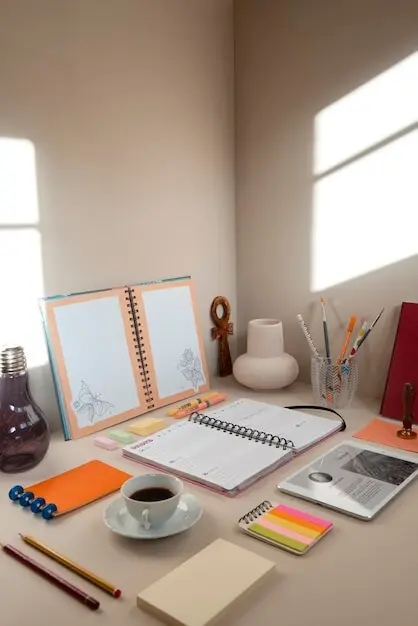
Sticky Notes, Clear Flow: Build a Home Kanban That Actually Works

Today we dive into building a home Kanban board with sticky notes for task flow, turning scattered chores, side projects, and family commitments into a calm, visible system. With columns, color, and small daily rituals, you will see work clearly, focus confidently, and celebrate steady progress together, without complicated apps or overwhelming spreadsheets crowding your precious attention.

Start With Why: Visualizing Home Workflows

Before taping lines or buying colorful pads, connect this practice to real pain you feel at home: forgotten errands, unclear ownership, half-finished repairs. A visual board turns whispers and assumptions into a shared, trustworthy picture. Everyone participates because everyone can finally see, move, and complete work together, guided by flow instead of nagging or last‑minute firefighting.

Pick the Right Surface and Scale

Choose a surface that matches your volume of tasks and eye level. A hallway wall gives terrific visibility; a magnetic whiteboard supports quick reconfiguration; a door works in tight apartments. Leave breathing room so notes never overlap. Test visibility from a few angles, considering natural light, household traffic patterns, and how easily kids or roommates can reach.

Columns that Reflect Real Life

Name columns after states of work, not people: Backlog, To Do, Doing, Blocked, Done. Add Waiting if you rely on deliveries or approvals. When words match reality, updates happen naturally. Avoid twelve columns on day one. Fewer states mean faster learning, clearer decisions, and easier maintenance during busy weeks when discipline has to be nearly automatic.

Choosing Paper, Adhesive, and Pens

Select medium or large notes for legibility at a distance. Super‑sticky variants hold on textured walls; standard adhesive suits smooth boards. Use bold, quick‑dry markers that never bleed. Write in block letters, top line as verb. If humidity wins, add painter’s tape at corners. Optimize legibility first, aesthetics second, because clarity accelerates every single micro‑decision.

Color Codes with Meaning, Not Noise

Keep color coding simple enough to remember without a legend. For example: yellow for household chores, blue for finances, green for health, pink for errands, orange for repairs. Assign one color per category, not per person. Overly complex palettes stall updates. Clear colors train quick scanning, reduce decision fatigue, and help kids participate confidently after one glance.

Durability, Maintenance, and Refresh Cycles

Plan a weekly sweep: rewrite curled notes, remove duplicates, and archive done items into a dated envelope. Replace tired markers monthly. Dust frames and re‑press corners so nothing peels. Seasonal refreshes prevent drift, catching outdated routines. Maintenance becomes a tiny ritual that protects signal‑to‑noise, ensuring today’s board reflects today’s reality rather than last quarter’s hopeful intentions.

Five-Minute Standup for Households

Gather at the board, scan Doing, and answer three things aloud: What moved yesterday? What is next? What’s blocked? Keep it friendly and brisk. Move stickies as you speak. Capture blockers physically on red notes. Finish by confirming WIP limits. End with gratitude to reinforce progress, humor, and kindness that make consistency possible on ordinary days.

Planning and Replenishment Night

Once a week, pull from Backlog into To Do based on real capacity, not wishful thinking. Break large items into digestible steps. Balance categories so home life feels whole. Pre‑stage materials for tricky tasks. Confirm shared commitments. End by pruning stale ideas. This gentle boundary‑setting prevents weekend overload and restores confidence that next week is manageable.

Prioritization, Sizing, and Breaking Work Down

Make Work Small Enough to Flow

If a note lingers in Doing longer than two days, it is probably too big. Split by location, tool, or outcome: “Clear garage shelf,” then “Donate paint,” then “Sweep.” Finishing breeds finishing. Smaller slices reveal true obstacles, encourage help, and let you celebrate meaningful movement on busy weekdays that only offer twenty determined, undistracted minutes.

Simple Prioritization Everyone Understands

Rank using words, not numbers. Must, Should, Could keeps debate grounded. Or try Now, Next, Later across the top row. Use dots to show energy cost or time. When priorities change, reflect it quickly. A board that updates faster than life stays trusted, helping everyone invest effort where it matters instead of defending old, invisible assumptions.

Handling Blockers and Dependencies Transparently

Blockers deserve their own bright color and a clear owner. Link dependent notes with arrows or matching symbols. When something waits on a delivery or reply, park it in a Waiting area. Review these daily. Clear visibility reduces nagging and pings, invites strategic swaps, and reminds you to remove one small obstacle rather than add three new tasks.

Celebrate Progress and Keep Engagement High

Motivation compounds when progress is seen and felt. Use a Done column you actually review. Create a tiny ritual for moving a note to Done. Track little metrics like notes completed per week or blocker count. Celebrate cooperation loudly, speed quietly, and learning always. Invite comments, questions, or photos from readers who try this, building a friendly circle.

Visible Metrics Without Math Anxiety

Keep measurement playful. A weekly photo collage of the Done column tells a truer story than spreadsheets. Count completed notes with stickers. Track one experiment per month. If interest dips, simplify rather than abandon. Metrics should encourage curiosity, not compliance. Let the board spark conversations about trade‑offs, rest, and sustainable pace without shaming anyone’s capacity.

Rituals for Wins, Big and Small

When an overdue repair lands in Done, ring a small bell or post a goofy selfie. For everyday victories, say thank you at dinner. Reserve a corner for gratitude notes. Micro‑celebrations teach brains to associate finishing with warmth, making the next step easier. Joy is fuel for flow, especially during long, ordinary seasons where patience matters most.

Inviting Feedback and Evolving the System

Ask the household monthly: What should we stop, start, or continue? Maybe columns need renaming, colors need pruning, or WIP limits must soften during exams. Your board is a living agreement, not a shrine. Invite readers to share their adjustments, too. We learn faster together, swapping tiny experiments that keep systems human, adaptable, and delightfully effective.
Zeralentodari
Privacy Overview

This website uses cookies so that we can provide you with the best user experience possible. Cookie information is stored in your browser and performs functions such as recognising you when you return to our website and helping our team to understand which sections of the website you find most interesting and useful.